Central Air Conditioning Installation and Repair in Windham, NH
Whole house cooling through the ducts you already have
What this work is
Central air cools the whole house through the ductwork you already have, and this covers new systems, replacements, repairs and air handlers, on all makes and models.
When central air is the right answer, it is hard to beat. One thermostat, even temperatures, nothing hanging on a wall, and a system that dehumidifies the whole house rather than one room at a time. It only works that well when the duct behind it is up to the job, which in a lot of southern New Hampshire houses is the real story.
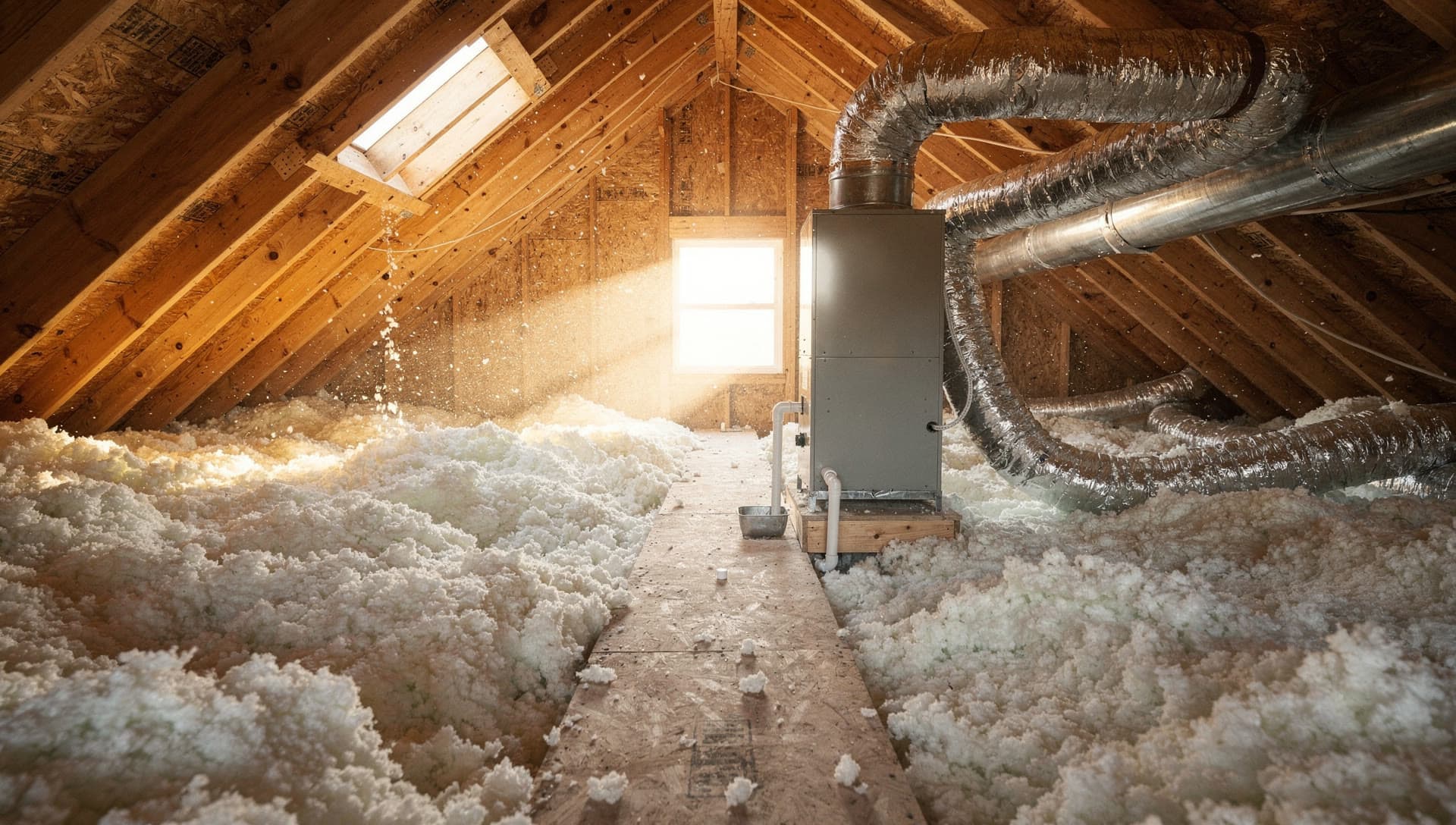
The most common complaint in this area is a second floor that stays hot while the first floor is cold. That is almost never a failed compressor. It is undersized returns, leaky duct running through an unconditioned attic, or a system that was sized for the footprint rather than for the house. Diagnosis starts with the airflow, because replacing equipment without fixing airflow just buys a more expensive version of the same problem.
Repairs cover all makes and models. Capacitors, contactors, fan motors, condensate pumps, refrigerant leaks, blower assemblies, thermostats and control boards. Every refrigerant circuit is handled under EPA Section 608 certification, which is the federal requirement for touching refrigerant at all and is worth confirming with anyone you hire.
Refrigerant is in the middle of a real transition. R-410A was phased down in new equipment in favour of R-32 and R-454B, which changes what is available for a system installed in the last fifteen years and changes the repair versus replace math on an older unit with a leak. That factors into the recommendation you get, and you will hear the reasoning instead of just the conclusion.
What it costs
What this costs in southern New Hampshire
Nobody in this county publishes a number, which is exactly why these are here. The figures below are what the market charges, gathered from published cost data rather than from a quote sheet. Your house sets the final number, and you hear it before anything starts.
| Typical project | Published market range |
|---|---|
| Replacement, standard efficiencySingle stage cooling on a house around 2,000 square feet, before any duct work. | $5,000 to $8,300 |
| Replacement, two stageBetter humidity control, which is what most people actually notice. | $8,300 to $12,500 |
| Replacement, variable speed | $12,500 to $14,000 and up |
| By size, installedRoughly $5,000 to $6,800 for a two ton system and $7,000 to $9,500 for a five ton. | $5,000 to $9,500 |
| Duct sealing and minor repairsOften the real fix for a hot second floor, and a fraction of a new system. | $300 to $1,500 |
| Full ductwork replacement | $1,400 to $5,600 and up |
Market data read directly from HomeGuide's 2026 AC replacement cost guide on July 31, 2026. Figures exclude ductwork unless the row says otherwise, and northeast installs run roughly 15 percent above the national figure. Tonnage comes from a load calculation on your house, never from square footage alone. These are market ranges, not our rates.
What moves the number on your house
- System size
- Tonnage comes from a load calculation on your actual house. Bigger is not better, and an oversized system cools fast, shuts off, and leaves the house clammy.
- The condition of your ductwork
- Sealed, insulated duct in conditioned space keeps a job simple. Leaky attic duct and undersized returns need addressing, and that is where a lot of second floor problems actually live.
- What sits indoors
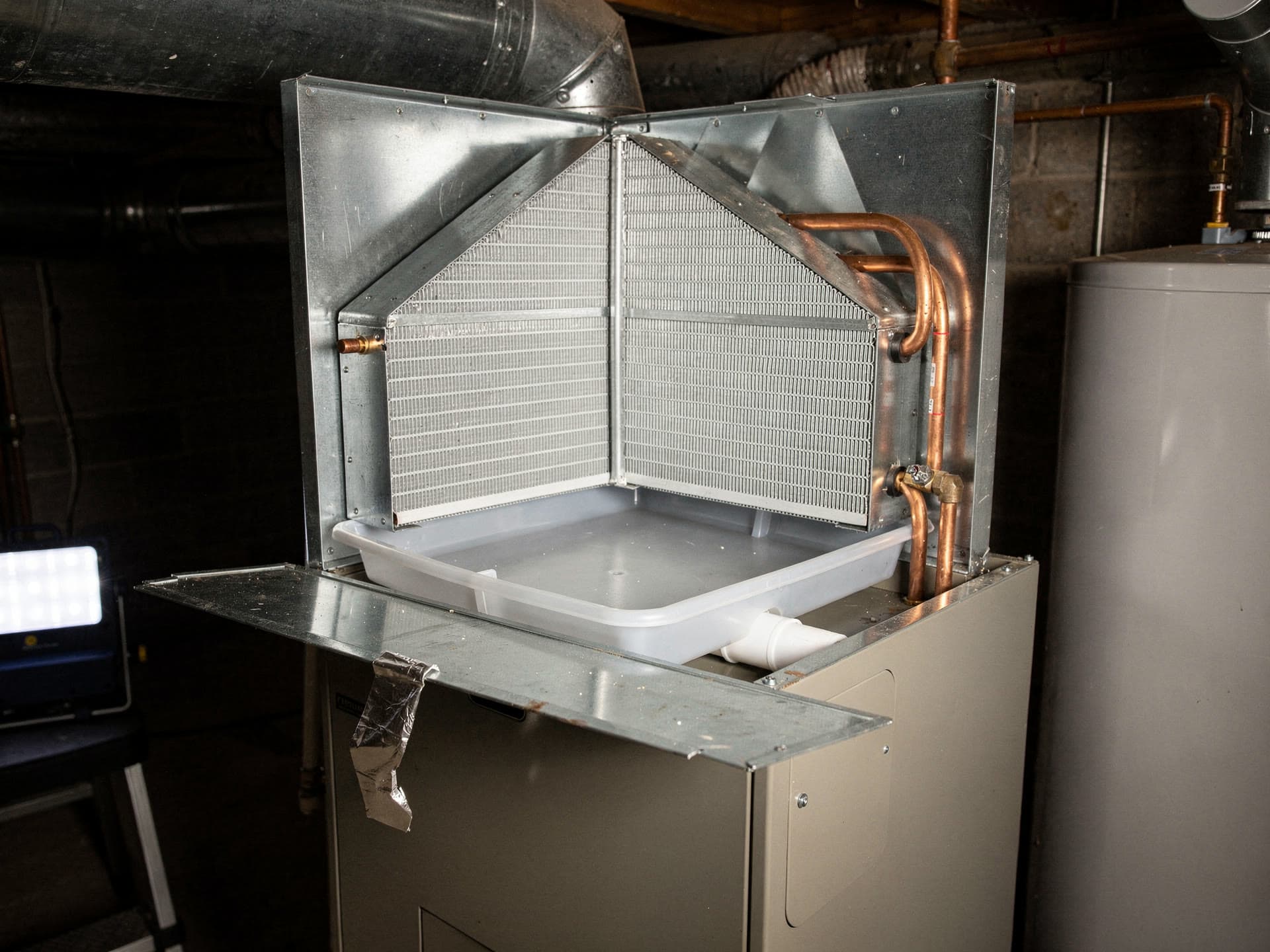
- A coil on top of an existing furnace is a different install from a dedicated air handler, and the choice depends on what your heat is.
- Refrigerant type
- Older R-410A systems, newer R-32 and R-454B equipment, and whether the indoor and outdoor units have to be matched, all move the cost of a repair or a replacement.
- Line set
- Sometimes existing copper can be reused. Sometimes it has to be replaced, particularly on a refrigerant change or after a compressor burnout.
- Condenser location and electrical
- Pad, clearance, disconnect and circuit. Straightforward on most houses, more involved when the panel is full or the location has to move.
A repair on a young system is usually the right answer. On an older one with a leak, the refrigerant situation is part of the decision, and you get that laid out rather than glossed over.
Repair or Replace? Read This First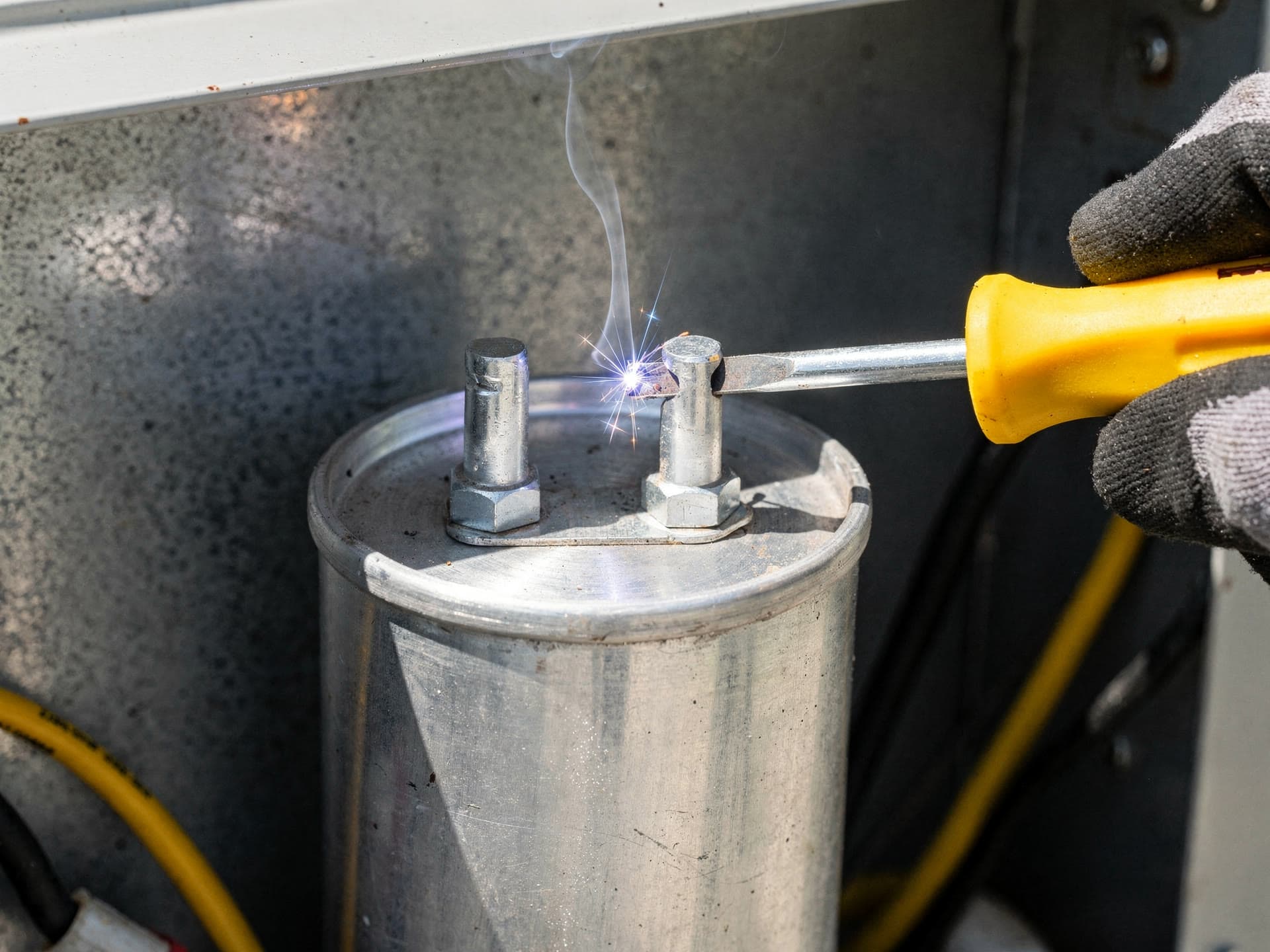
What you get out of it
Central air conditioning installation, replacement and repair, plus air handler work, for homes across Windham, Salem, Derry and southern New Hampshire.
- Even cooling and real dehumidification across the whole house
- Nothing mounted on interior walls, so rooms stay as they are
- One thermostat and one system to maintain
- Air handler and coil work, including matched replacements
- Repairs on every make and model, EPA 608 certified on refrigerant
- Airflow gets diagnosed before equipment gets quoted
The 2026 reality
What the refrigerant rules actually say about your system
The rule everybody quotes changed three days ago, and most of what is written about this is now out of date. If you have an R-410A system, nothing about it became illegal. Here is the position as of July 2026, with the dates.
| The question | Where it stands | What it means for you |
|---|---|---|
| New equipmentSince January 1, 2025 | Under 700 GWP | New residential split systems have to use a refrigerant below 700 global warming potential, which in practice means R-454B or R-32. That is the manufacture and import cutoff, and it is why new equipment looks different from what came out of the box ten years ago. |
| Servicing your existing R-410A system | Still legal | An R-410A system can be repaired, topped up and kept running. Nothing about the phasedown obliges you to replace a working unit, and anyone telling you otherwise is selling something. |
| Installing R-410A equipment still on the shelfEPA final rule, effective July 27, 2026 | Allowed until stock runs out | The original deadline was January 1, 2026. The EPA superseded it: units built or imported before January 2025 can still be installed until supplies are depleted. New York wrote the old deadline into state law. New Hampshire did not. |
| The long horizon | 15 percent by 2036 | R-410A production steps down to 15 percent of current output by 2036, so it gets scarcer and dearer over time. On a young system that is a footnote. On a twenty year old unit with a real leak, it belongs in the repair against replace conversation instead of after it. |
Dates read from the National Association of Home Builders' summary of the EPA final rule on July 27, 2026, cross-checked against the AIM Act Technology Transitions Rule, both on July 31, 2026. Rules in this area have already moved once this year. Anything you read about refrigerant that does not carry a date is worth checking against one that does. nahb.org
Central Air, answered
- Why is my second floor always hot when the AC is running?
- In this area it is usually airflow rather than equipment. Undersized or too few return ducts, supply duct leaking into a hot attic, closed or blocked registers, or a system sized for square footage instead of for a two story load. It is worth diagnosing the airflow before anyone quotes you a bigger condenser, because a bigger condenser on the same bad duct gives you the same hot bedroom and a larger bill.
- What is happening with R-410A refrigerant?
- New equipment moved away from R-410A to lower global warming potential refrigerants, mainly R-32 and R-454B. Existing R-410A systems keep running and can still be serviced, but supply and cost of the refrigerant change over time. If you have an older system with a significant leak, that becomes part of the repair versus replace conversation rather than a footnote to it.
- How long does a central air system last?
- Fifteen to twenty years is typical in this climate, and systems that get an annual cleaning routinely land at the long end of that. Coastal and heavily wooded locations are harder on outdoor coils. Condition, not the date on the label, drives the recommendation.
- Should I replace my furnace and AC at the same time?
- Not automatically. It makes sense when they share a cabinet or a coil, when both are near the end of their service life, or when a refrigerant or efficiency change means the two have to be matched. It does not make sense just because one of them failed. If only one needs replacing, that is what gets recommended.
- My AC quit in the middle of a heat wave. Can you come out?
- Yes. Emergency service runs 24 hours a day, every day of the year, and a house with no cooling in a July heat wave counts, particularly with young kids or older family at home. Call and describe what it is doing.
Last updated 2026-07-30
Tell me what your system is doing.
Send the details and Brian reads them himself. Free estimates on installations and replacements, straight answers on repairs, and the same person on the phone as in your basement.
- 24
- Years in the trades
- 8
- Years in HVAC
- 6
- Years co-owning an oil company
- 3
- Licenses and certifications