Yearly Heating and Cooling Cleaning in Windham, NH
The yearly hour that prevents the February phone call
What this work is
A yearly cleaning keeps a boiler, furnace, mini split or AC running safely and efficiently, and it is the cheapest thing you can do to avoid a no heat call on the coldest night of the year.
Most emergency calls are not sudden. They are the end of something that had been getting worse for a couple of seasons. A fouled oil burner running rich. A heat exchanger packed with soot. A mini split blower wheel carrying a quarter inch of grime. A condenser coil so blocked the system runs on high head pressure all summer. None of that announces itself until the day it stops.
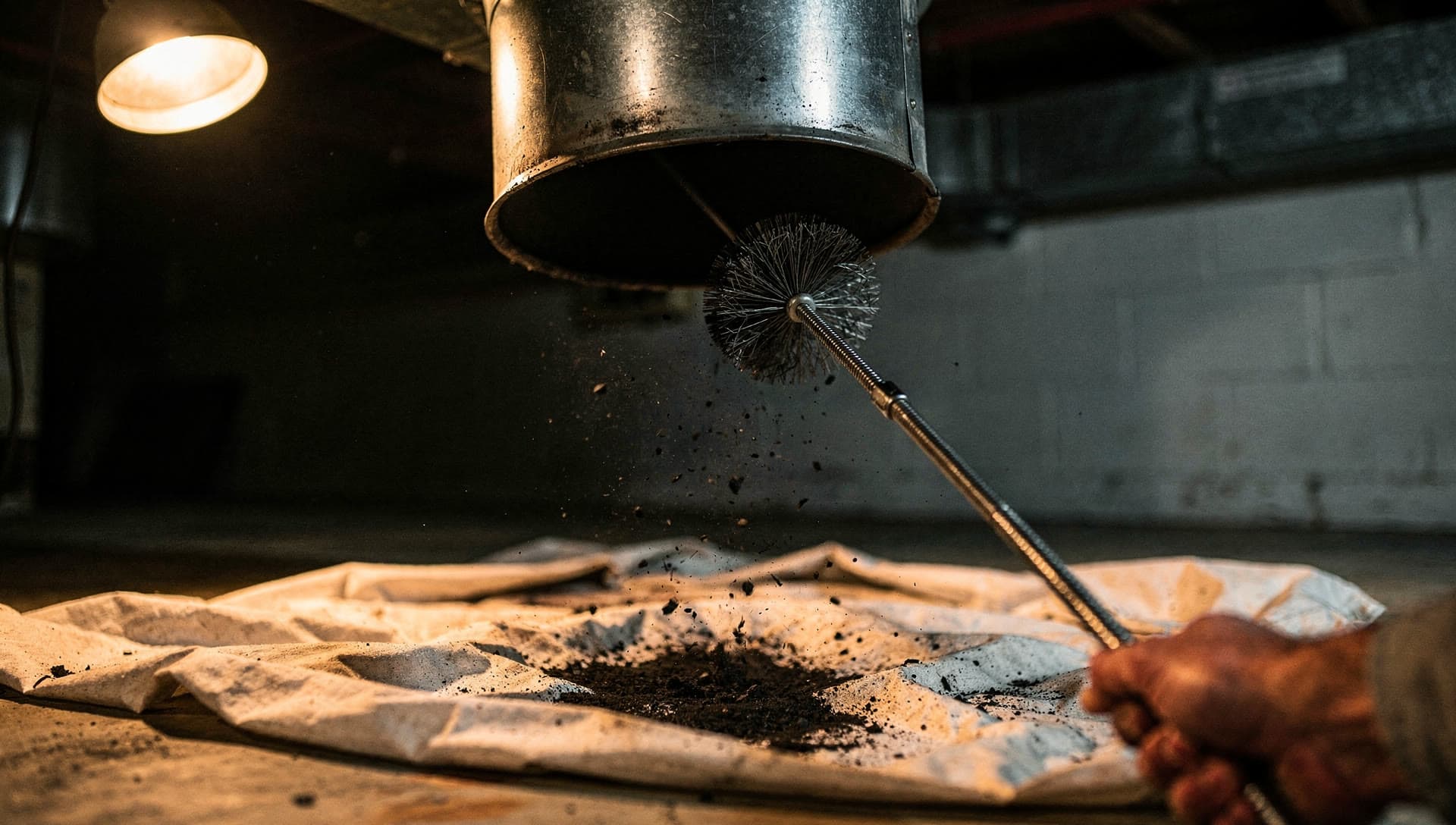
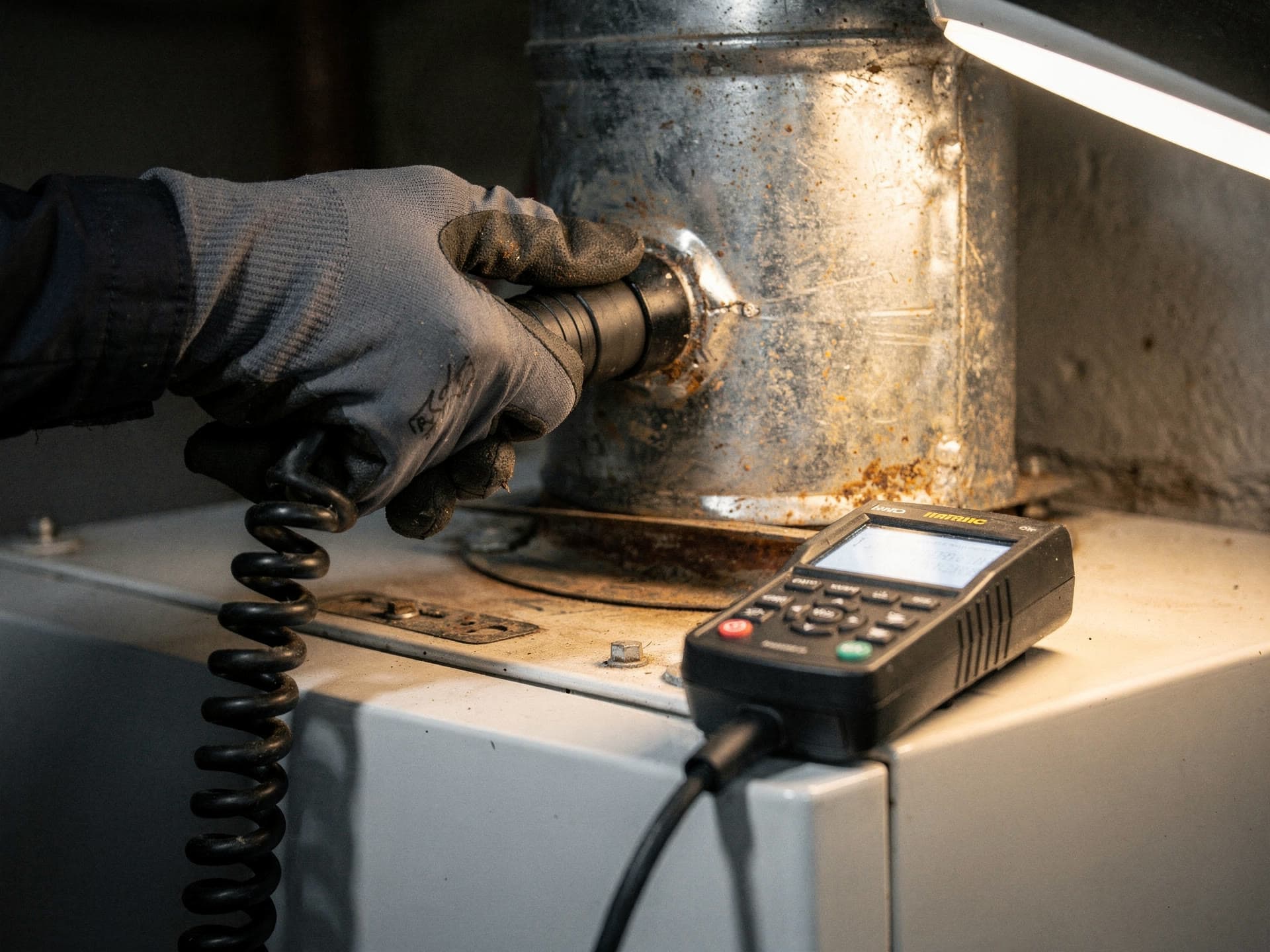
A cleaning is a real teardown, not a filter swap. On an oil system that means pulling and cleaning the burner, replacing the nozzle, checking and setting electrodes, brushing and vacuuming the flue passages, checking the barometric damper, and running a combustion analysis to confirm the burner is actually set right. On a gas system it means inspecting the heat exchanger, cleaning and verifying the burners, checking ignition and flame sensing, verifying draft and venting, and confirming safeties operate.
Mini splits and heat pumps get the treatment people skip. The indoor head comes apart, the blower wheel and coil get cleaned properly, condensate drains get cleared, and the outdoor coil gets washed. This is the service with the most visible before and after in the whole trade, which is exactly why the reveal sliders on this site start with a condenser coil.
The other half of the visit is the report. What the system looks like inside, what is wearing, what will need attention next year, and what does not need touching. That is the point of a relationship with one technician instead of a rotating stranger. Somebody remembers what your boiler looked like last October.
What it costs
What this costs in southern New Hampshire
Nobody in this county publishes a number, which is exactly why these are here. The figures below are what the market charges, gathered from published cost data rather than from a quote sheet. Your house sets the final number, and you hear it before anything starts.
| Yearly service | Published market range |
|---|---|
| Gas furnace cleaningBasic annual service. | $70 to $100 |
| Oil furnace cleaning | $100 to $200 |
| Boiler cleaning | $150 to $350 |
| Oil boiler service visitA full oil tune up is commonly reported at $250 to $500. | $150 to $500 |
| Diagnostic or service callMost commonly $99 to $159 across the market, and frequently waived when the repair goes ahead. | $75 to $200 |
Market data compiled July 30, 2026 from national and regional cost aggregators, including HomeGuide and Angi. Northeast service runs roughly 15 percent above the national figure. These are market ranges, not our rates.
What moves the number on your house
- What kind of system
- An oil burner service, a gas furnace cleaning and a multi head mini split teardown are three different amounts of work.
- How many systems
- One boiler is one visit. A boiler, a central air system and three mini split heads in the same house is a longer one, and it costs less done together than in separate trips.
- How long since the last one
- A system cleaned every year takes a predictable amount of time. One that has not been opened in six years takes longer and sometimes turns up parts that need replacing.
- Parts
- Nozzles, oil filters, air filters, electrodes and igniters are consumables. Which ones your system needs depends on the fuel and the condition.
- Access
- A boiler in the middle of an open basement is quick. A unit tucked behind storage, in a crawlspace, or an air handler in an attic takes more time to reach and to work on.
Ask when you call and you will get the price for your specific setup before anything is scheduled. Late summer into fall is the right window for heating equipment, and spring is right for cooling.
Repair or Replace? Read This First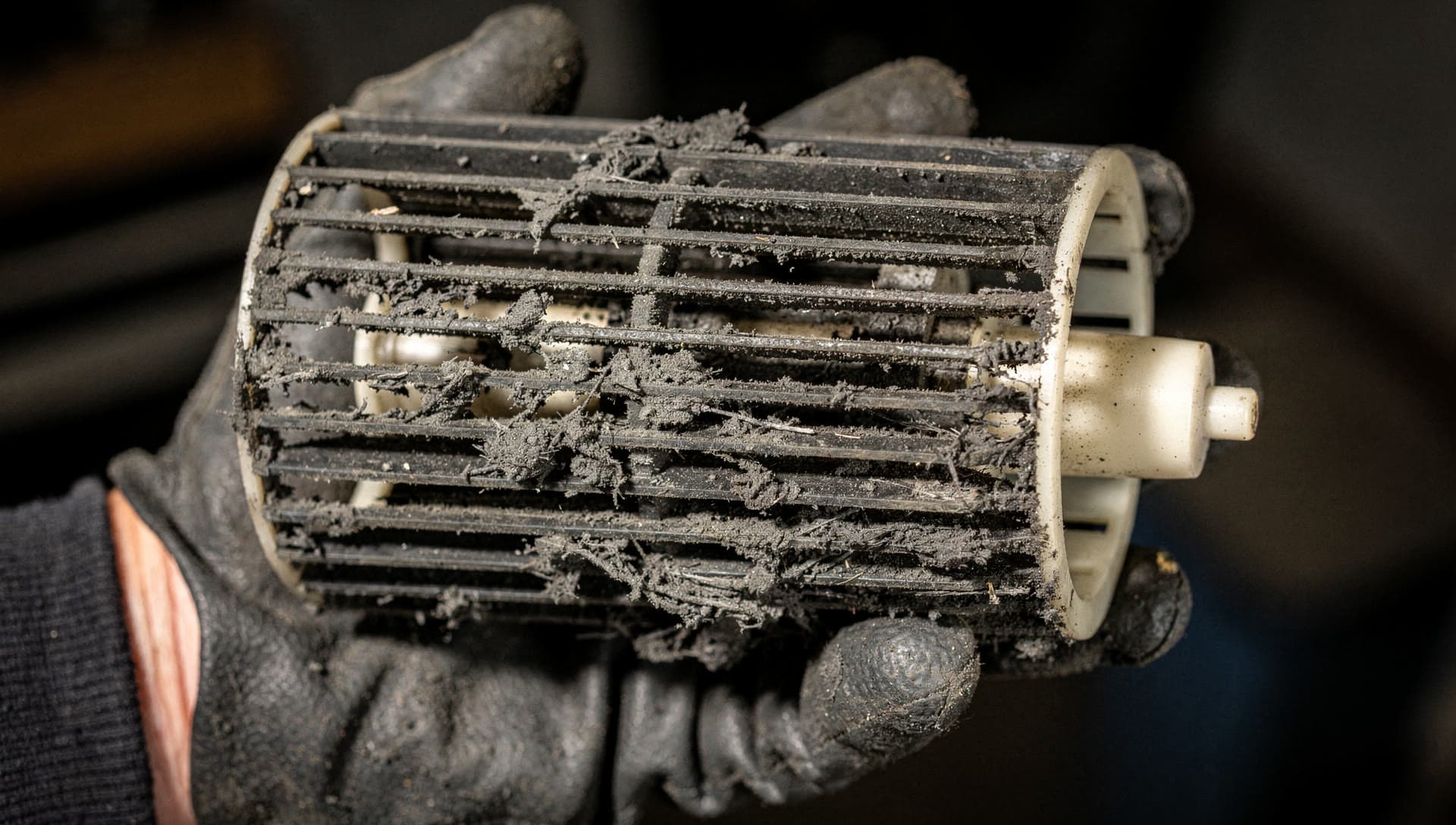
What you get out of it
Yearly cleaning and preventive maintenance for gas and oil boilers and furnaces, mini splits, heat pumps and central air across southern New Hampshire.
- A clean system uses less fuel to make the same heat
- Combustion gets tested and set, which is a safety item, not a nicety
- Small failures get caught in October instead of during a January cold snap
- Manufacturer warranties generally require documented annual service
- Mini split blower wheels and coils get properly cleaned, not just rinsed
- You get told what is fine as clearly as what is not
Show the work
Drag the handle. That is the same coil, the same afternoon.
This is the argument for a yearly cleaning, and it is easier to see than to read. A season of cottonwood and road grit packs the fins solid, the system runs at high head pressure to move the same heat, and the bill goes up every month while the compressor works harder than it was built to.
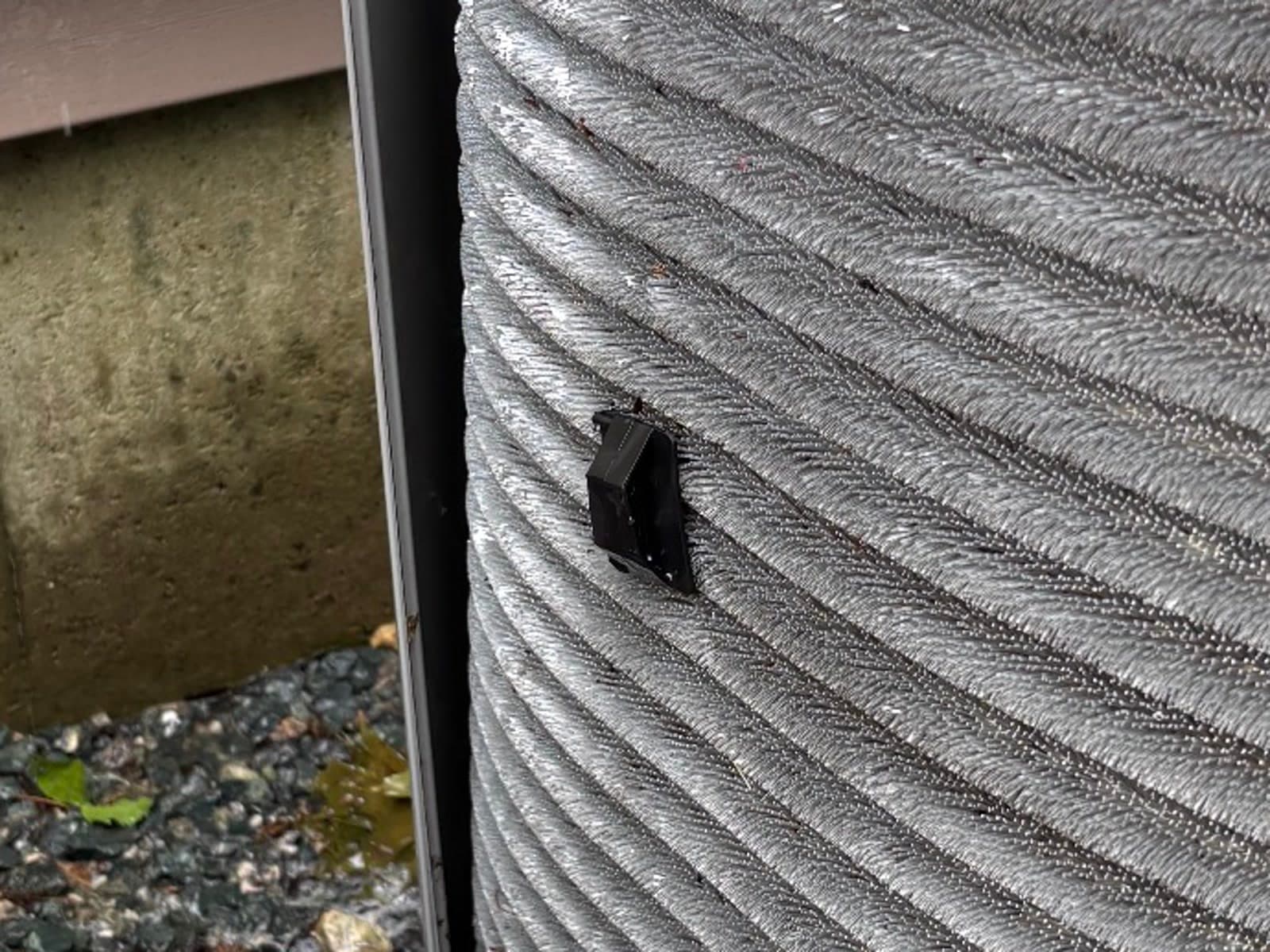
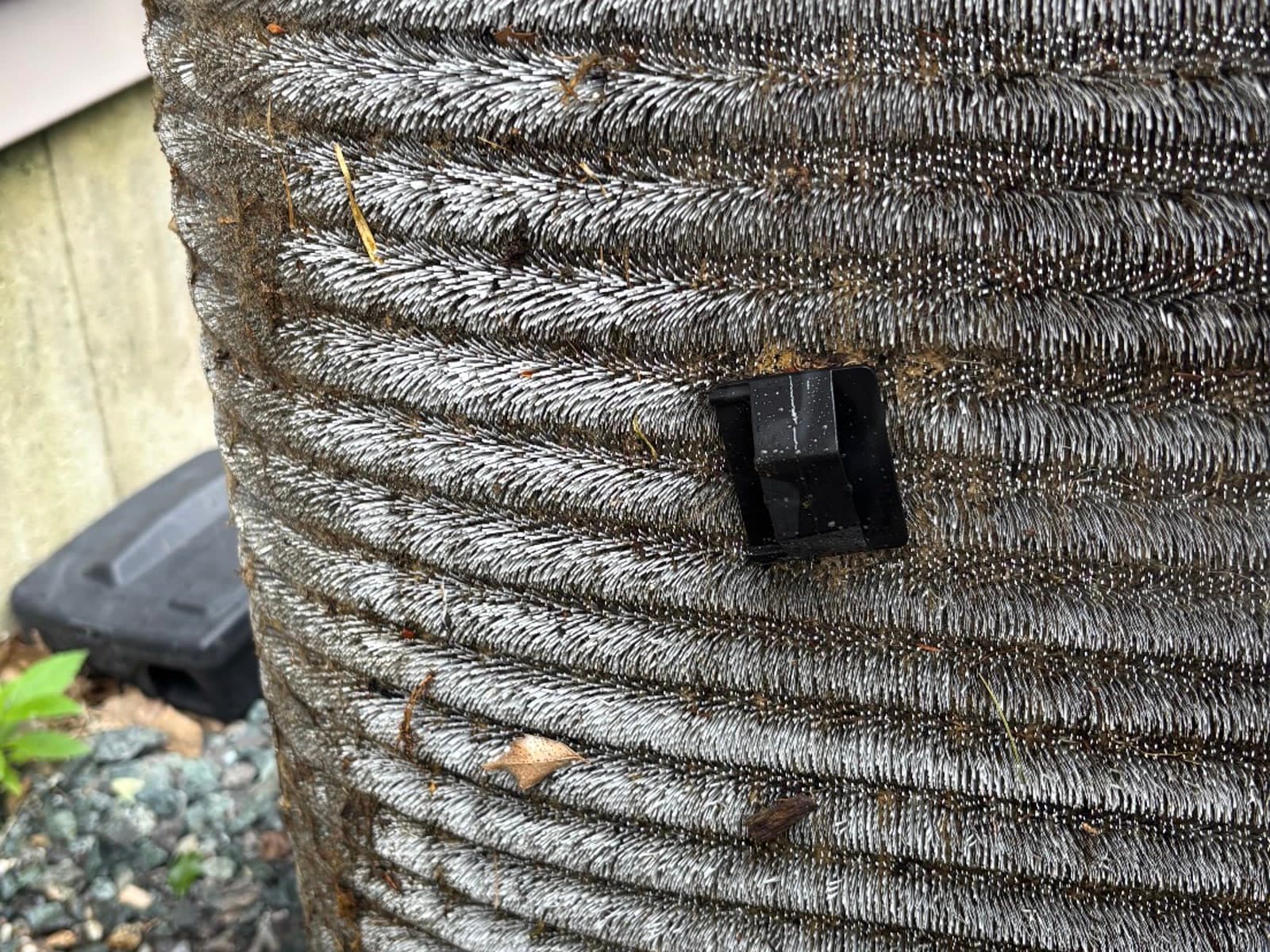
Same coil, same visit. A season of leaf litter, seed debris and road grit packs the fins solid, the system runs at high head pressure all summer to move the same heat, and the electric bill goes up every month while the compressor works harder than it was built to. This is what a yearly cleaning is actually for.
Condenser coil, before and after a cleaning
Cleaning & Maintenance, answered
- How often does my system need to be cleaned?
- Once a year for anything that burns fuel, gas or oil, without exception. That one is safety as much as efficiency. Mini splits, heat pumps and central air also want annual attention, and mini splits in particular suffer without it because the blower wheel and coil are inside your living space.
- What actually happens during a cleaning?
- On oil, the burner comes out and gets cleaned, the nozzle is replaced, electrodes are checked and set, flue passages are brushed and vacuumed, the oil filter is changed, and combustion is analysed and adjusted. On gas, the heat exchanger and burners are inspected and cleaned, ignition and flame sensing are checked, draft and venting are verified, and safeties are tested. On ductless, the indoor head is disassembled, the blower wheel and coil are cleaned, drains are cleared and the outdoor coil is washed. You get told what was found either way.
- Does a dirty coil really cost me money?
- Yes, and it is the most under appreciated line item in the trade. A fouled evaporator or condenser coil forces the system to run longer and at higher pressures to move the same heat, which raises your bill every single month and shortens the life of the compressor. The before and after photographs on this site show what a normal residential coil looks like after a few unmaintained seasons.
- When should I schedule my heating cleaning?
- August through October is the window. The system has been off all summer, the schedule is not yet full of no heat calls, and anything that turns up can be repaired calmly instead of at eleven at night in January. For cooling, spring is the equivalent.
- Do you clean mini splits?
- Yes, and properly. That means opening the head and cleaning the blower wheel and coil, not spraying the filters in the sink. It is the difference between a unit that smells musty every time it starts and one that does not.
Last updated 2026-07-30
Tell me what your system is doing.
Send the details and Brian reads them himself. Free estimates on installations and replacements, straight answers on repairs, and the same person on the phone as in your basement.
- 24
- Years in the trades
- 8
- Years in HVAC
- 6
- Years co-owning an oil company
- 3
- Licenses and certifications